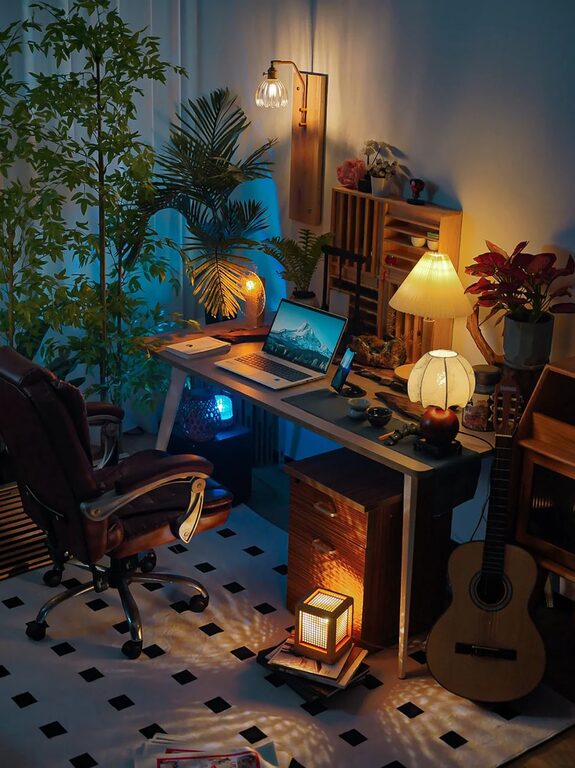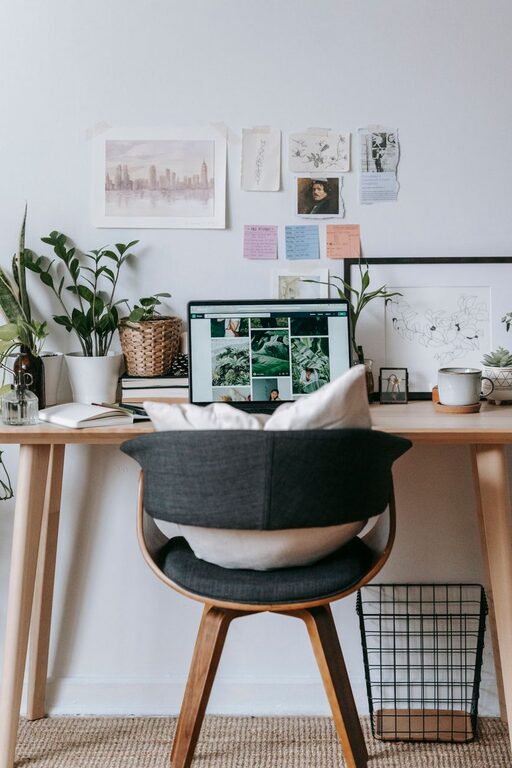
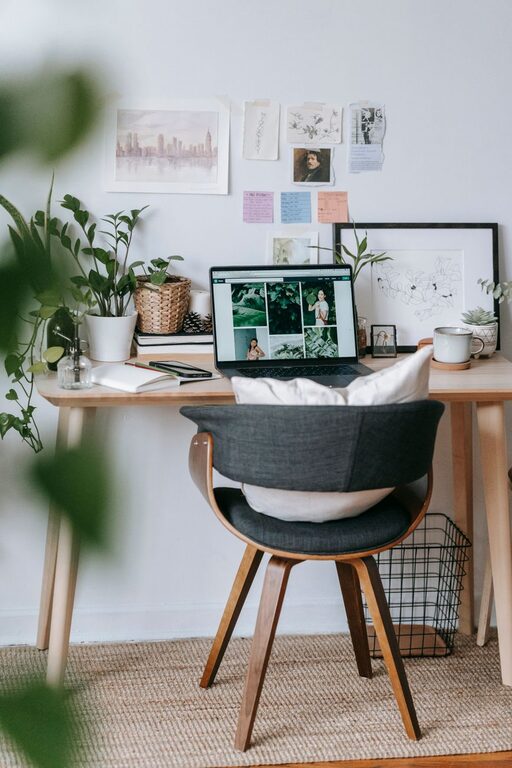
Creating a cozy and inviting home office space is more important than ever, especially as more people work remotely or spend time on personal projects at home. A well-designed workspace not only improves productivity but also enhances your comfort and well-being. Whether you have a dedicated room or a small corner, here are some helpful tips to make your home office a place you look forward to spending time in.
1. Choose the Right Location
The first step is picking the perfect spot for your office. Ideally, it should be a quiet area with minimal distractions. A space with natural light is a bonus as it can boost your mood and energy levels throughout the day.
Consider these factors when choosing a location:
– Accessibility to power outlets
– Proximity to natural light sources like windows
– Distance from loud areas or high-traffic zones in your home
– Enough room for your desk, chair, and any additional storage
If space is limited, consider creating a dedicated office nook with room dividers, shelves, or even a curtain to separate your workspace visually.
2. Invest in Comfortable, Functional Furniture
Comfort is key when choosing your furniture. Since you might spend several hours working, selecting an ergonomic chair and a desk of the right height helps prevent aches and strains.
Furniture tips include:
– Choose an adjustable chair with good lumbar support
– Opt for a desk with enough surface area for your computer, paperwork, and accessories
– Use a footrest if your feet don’t comfortably touch the ground
– Consider a standing desk or a convertible desk for alternating sitting and standing positions
Adding a small side table or storage cabinet can help keep your main workspace clutter-free.
3. Utilize Effective Lighting
Good lighting enhances both comfort and efficiency. Relying solely on overhead lights can cause shadows or glare, so layering your light sources is ideal.
Lighting strategy ideas:
– Use a desk lamp with adjustable brightness to reduce eye strain
– Position your desk near a window for natural light, but avoid direct glare on your screen
– Consider warm-toned bulbs for a cozy atmosphere rather than harsh, cool-white lights
– Add ambient lighting like floor lamps or LED strips to create a soothing environment
Keeping the lighting adjustable allows you to tailor the mood and function of your space throughout the day.
4. Personalize Your Space
Adding personal touches can make your office feel more inviting and inspiring. Choose decorations that motivate you but don’t clutter the area.
Ways to personalize:
– Hang framed photos or art that brings you joy
– Add plants—these improve air quality and add a natural, calming element
– Use colorful or patterned accessories like rugs, pillows, or curtains
– Include a vision board with goals or inspiration
– Select stationery and office supplies in colors or styles you enjoy
Balancing personality with a tidy workspace keeps the area warm but focused.
5. Organize Smartly to Minimize Clutter
A cluttered workspace can make it harder to concentrate. Use smart organization techniques to keep everything in its place.
Tips for organization:
– Use drawer organizers or trays for small items like pens and paper clips
– Incorporate shelves or filing cabinets for documents and books
– Keep cables and chargers neatly bundled to avoid a tangled mess
– Regularly declutter and discard or store items you don’t use frequently
– Consider digital organization tools to reduce paper piles
When your supplies and tools are easy to find, you save time and reduce stress.
6. Add Comfort Elements
Adding a few comfort items around your desk can make working more pleasant throughout the day.
Comfort elements to consider:
– A soft throw blanket or a cushion on your chair
– A small essential oil diffuser with relaxing scents like lavender or eucalyptus
– A water bottle or a small snack station nearby for hydration and energy
– A cozy rug under your feet to warm up the space especially in colder seasons
These little touches help keep your body and mind comfortable during long hours.
7. Maintain Good Air Quality and Temperature
Air quality and temperature influence your concentration and comfort as well.
Simple improvements:
– Open a window for fresh air whenever possible
– Use a small fan, heater, or air purifier depending on your climate
– Avoid placing your desk where air vents blow directly on you
– Introduce plants such as snake plants or spider plants that naturally filter the air
A fresh and well-regulated environment helps you stay alert and feel relaxed.
8. Create Boundaries Between Work and Relaxation Zones
If your office is part of a larger living area, it’s helpful to visually or physically separate your workspace to switch off after work hours.
Ideas for boundary creation:
– Use furniture like bookshelves or screens to partition your office nook
– Define your workspace visually with rugs or lighting changes
– Close doors or curtains to shut out work when you’re done
– Adopt routines that mark the start and end of your workday
This separation supports work-life balance and helps your brain recognize when it’s time to relax.
—
By thoughtfully designing your home office space with these tips, you can create a cozy, inviting, and productive environment tailored to your needs. Remember, the goal is to balance comfort, functionality, and personal touch so that your workspace supports both your work and well-being. Enjoy the process of making your home office a place that feels just right for you!
About the Author