Creating a cozy and inviting home office is more important than ever as many of us spend a significant amount of time working from home. A comfortable workspace not only improves productivity but also supports your overall well-being. In this post, you’ll find simple, practical tips to design a home office that feels welcoming and keeps you motivated.
Choose the Right Location
The first step in setting up your home office is deciding where it will be. The right spot should:
– Offer enough natural light without glare on your computer screen.
– Have minimal distractions from household noise or foot traffic.
– Provide enough space for your work essentials and movement.
If space is limited, consider quiet corners, under stair nooks, or a part of your living room. The goal is to find a spot that feels separate from daily distractions but still comfortable.
Prioritize Comfortable Seating and Desk Setup
Your chair and desk directly impact your comfort and health. Here are a few tips:
– Choose an ergonomic chair that supports your lower back. Adjustable height and armrests help customize comfort.
– Select a desk that suits your work style and available space. It should fit your computer and any supplies you use frequently.
– Position your monitor at eye level to avoid neck strain.
– Use a footrest or anti-fatigue mat if you stand or want extra comfort.
Comfortable seating and a well-thought-out desk layout can make long hours much easier.
Use Soft Lighting and Personalize the Space
Lighting affects your mood and productivity. Bright overhead lights can be harsh, so consider these options:
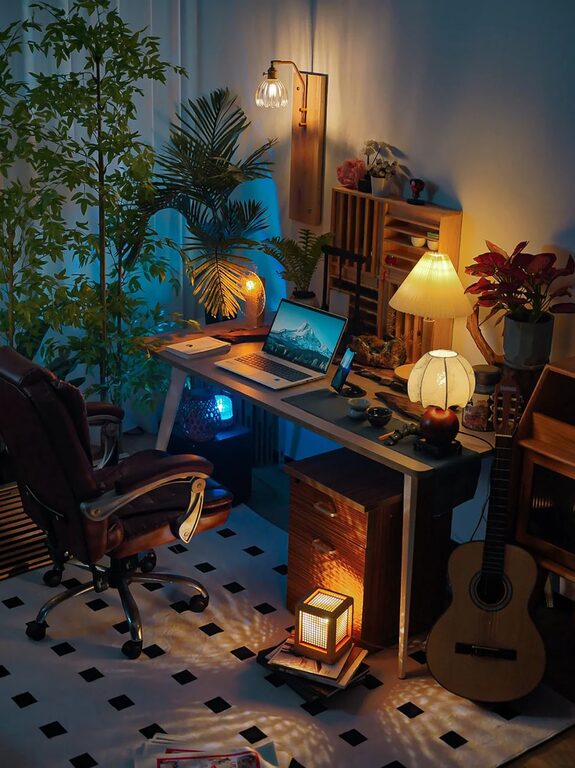
– Use a desk lamp with soft, warm light to reduce eye strain.
– Place your desk near a window to take advantage of natural light.
– Add string lights or candles (real or LED) for a cozy atmosphere.
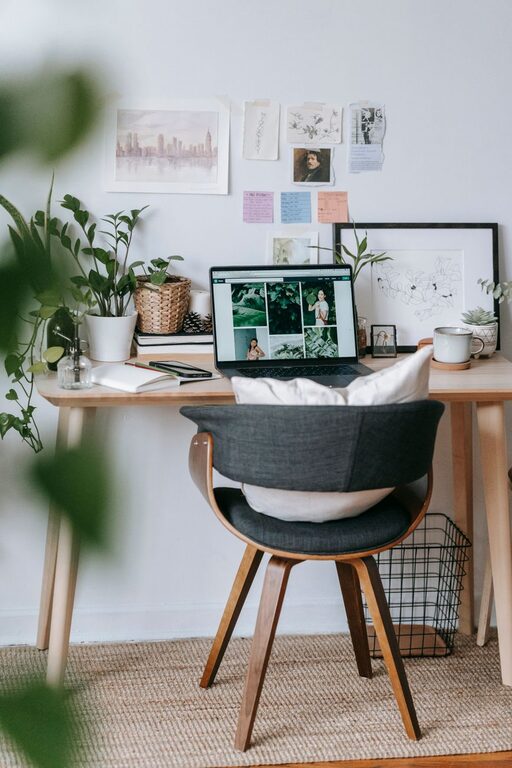
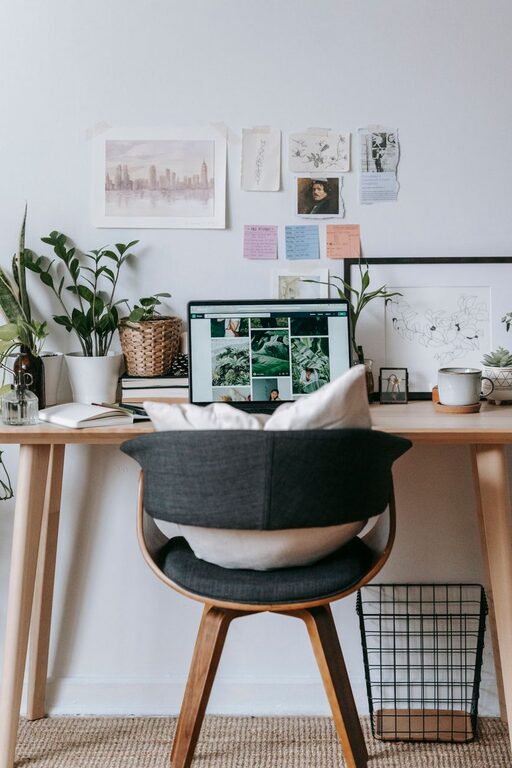
Personalizing your space makes it more inviting. Add pictures, plants, or art that inspire you. Small touches like a favorite mug or thoughtful stationery can brighten your day.
Bring Nature Indoors
Incorporating natural elements can boost creativity and reduce stress. Try:
– Adding potted plants or succulents on your desk or shelves.
– Using natural materials like a wooden desk or wicker baskets.
– Displaying nature-inspired artwork or photos.
Plants not only decorate but also improve air quality, making your workspace healthier.
Keep It Organized
Clutter can be distracting and make your space less inviting. To stay organized:
– Use drawers, shelves, and bins to store supplies neatly.
– Keep daily essentials within reach but off the main work surface.
– Implement a simple filing system for papers and documents.
– Dedicate a small space for charging devices to avoid tangled cords.
Maintaining order takes effort but pays off with a more peaceful work environment.
Add Cozy Textures and Colors
Soft textures and warm colors create a cozy feeling. Consider:
– A rug under your desk or chair to add warmth and define the space.
– Cushions or a small throw blanket on your chair.
– Walls painted in calming colors like soft blue, muted green, or warm beige.
These elements make your office feel less sterile and more like a space you want to spend time in.
Incorporate Functional Decor
Combine style with function by choosing decor that helps your workflow:
– Stylish pen holders, trays, and organizers.
– Decorative yet practical bulletin boards or whiteboards for notes.
– A clock to keep track of time without checking your phone constantly.
These items keep your space efficient and visually appealing.
Establish Boundaries and Work Rituals
A cozy home office also depends on how you use the space:
– Set clear work hours to balance productivity and relaxation.
– Create a habit of starting work with a specific ritual, like lighting a candle or making a cup of tea.
– When the day ends, tidy up your desk to mentally separate work from home life.
Boundaries make it easier to focus and enjoy your home office without feeling overwhelmed.
Final Thoughts
Designing a cozy and inviting home office doesn’t mean spending a lot of money or space. By focusing on comfort, organization, light, and personal touches, you can create a workspace that supports your best work and feels like a refuge. Start with these simple tips, and gradually tailor your home office to suit your needs and preferences. The result will be a welcoming, efficient place where working from home feels natural and enjoyable.
About the Author